


Buying Basic Equipment
Getting Started with Dive Equipment
Getting your own dive kit is an exciting step, but it can also feel a bit overwhelming at first. The good news is that modern equipment is very reliable, and there’s no single “right” brand or setup.
At our club, we keep things simple:
• If it fits well, it’s a good start
• If it’s comfortable, you’ll enjoy diving more
• If you’re unsure — just ask, we’re always happy to help
What to Buy First
Mask, Snorkel & Fins
These are usually the first items divers buy — and the ones that make the biggest difference to your comfort.
Mask
• Should seal comfortably on your face without gaps
• Should stay in place with a gentle inhale (without the strap)
• Avoid over-tightening — that usually causes leaks rather than fixing them
If you wear glasses:
• Many divers use contact lenses
• Prescription lenses are available for many masks
Snorkel
• Mainly used during training and surface swims
• Comfort matters more than features
• A simple snorkel is usually perfectly adequate
Fins
• For UK diving, open-heel fins with boots are recommended
• Make sure they fit comfortably with your boots
• Easy adjustment is important, especially in colder conditions
Staying Warm (Very Important in the UK!)
If you’re planning to dive regularly in the UK, a drysuit will quickly become essential.
Drysuit Options
• Neoprene / compressed neoprene: warm and slightly buoyant
• Membrane: lightweight and flexible, warmth comes from the undersuit
Things to keep in mind
• Fit is crucial — a poor fit means you’ll get cold
• Undersuits make a big difference to warmth
• You’ll need training before using a drysuit
Regulator Set
This is your life-support equipment, so reliability and servicing are key.
A typical setup includes:
• First stage
• Primary second stage
• Alternate air source (octopus)
• Contents gauge (SPG)
What to look for
• Cold-water rated (important for UK diving)
• Comfortable, easy breathing
• Can be serviced locally
Buoyancy Control (BCD or Wing)
This helps you stay neutrally buoyant and comfortable underwater.
Options
• Jacket-style BCD: familiar and widely used in training
• Wing & backplate: more streamlined and increasingly popular
Both are absolutely fine — go with what feels right for you.
Dive Computer
Dive computers are now standard and strongly recommended.
They:
• Track your depth and time
• Help you stay within safe limits
• Guide your ascent and safety stops
Most entry-level computers are ideal for recreational diving.
What to Buy Later
You don’t need everything straight away — most divers build their kit over time.
Common additions include:
• SMB (Surface Marker Buoy) and reel
• Compass
• Torch
• Cutting device
• Spares (mask, fin straps, etc.)
A Few Club Tips
• Fit matters more than brand
• Try kit before buying if you can
• Ask other members — people are always happy to help or let you try things
• Buy gradually as your diving develops
• Good second-hand kit can be a great option
Final Thoughts
Everyone’s diving journey is different, and your kit will evolve as your experience grows.
Don’t feel pressured to buy everything at once — take your time, enjoy the process, and ask as many questions as you like.
We’re here to help every step of the way.
If you’d like advice, recommendations, or even just to try different setups, have a chat with one of the instructors or experienced members — we’re always happy to help.
Choosing the Right Dive Mask: Why It Matters
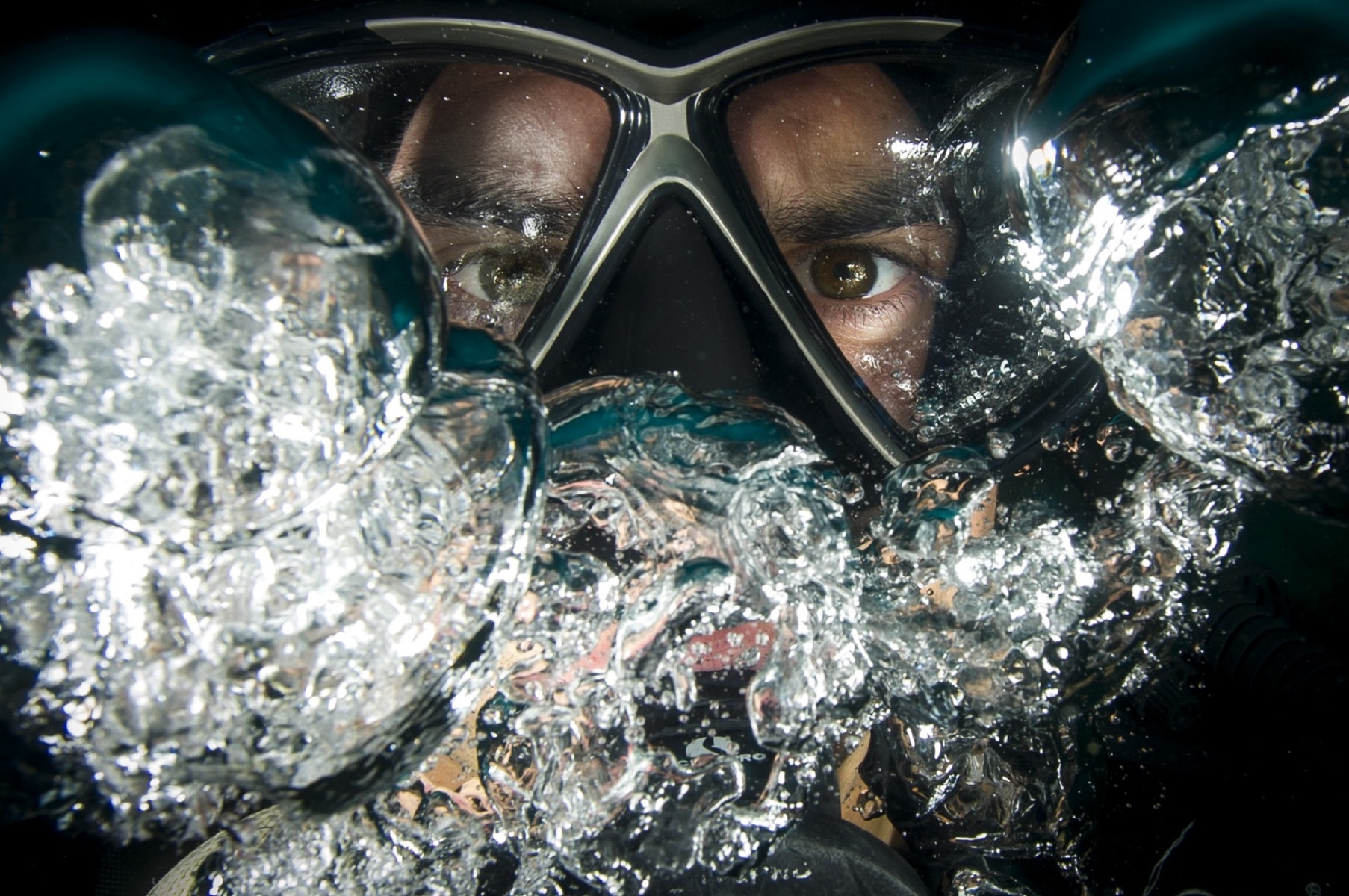
A good mask is one of the most essential pieces of diving equipment, directly impacting your underwater experience and safety. Here's why finding the right fit and quality matters:
- Clear Vision: A quality mask should offer a wide, clear field of view. Good visibility allows you to stay aware of your surroundings, enjoy the sights, and avoid potential hazards.
- Comfort and Fit: The mask should create a secure, comfortable seal on your face without feeling too tight. A poor fit can lead to discomfort or water leaking into the mask, which can disrupt your dive and require constant adjustments.
- Prevents Fogging: Masks made from high-quality materials and with proper airflow design can help reduce fogging. Anti-fog coatings or treatments on the lenses also help ensure a clear view throughout the dive.
- Minimizes Distractions: Constantly adjusting a mask that doesn’t fit well or leaks can be frustrating and distracting. A reliable mask lets you focus fully on your dive rather than equipment issues.
- Equalisation: A mask that fits well should allow you to equalize pressure comfortably as you descend. A poor-quality mask may make this more difficult, leading to discomfort or even sinus issues.
When choosing a mask, remember to test it for a good fit, consider the lens type (clear or tinted), and make sure the skirt and strap are both durable and comfortable. Investing in the right mask means more enjoyable, safe, and immersive dives!
Choosing the Right Dive Snorkel: Why It Matters
A snorkel is a simple but essential piece of diving equipment, especially for surface swimming and conserving air. Choosing the right snorkel can improve your comfort and breathing ease during a dive. Here’s why it’s worth finding the right one:
- Ease of Breathing: A well-designed snorkel allows for easy breathing while you’re at the surface. This helps conserve air in your tank by allowing you to breathe normally without needing to come up for air.
- Comfortable Fit: The right snorkel should fit comfortably in your mouth, with a mouthpiece that reduces jaw fatigue and allows you to breathe easily. Poorly fitting snorkels can cause discomfort, which can distract from your dive experience.
- Dry Top or Splash Guard: Many modern snorkels include a dry top or splash guard, which helps prevent water from entering the snorkel. This feature is especially useful in choppy water or when there’s frequent surfacing, as it keeps your breathing uninterrupted.
- Easy Clearing: A snorkel with a purge valve allows you to clear water from the snorkel with a simple exhale, which is convenient if water enters while you’re at the surface. This feature helps you clear the snorkel quickly, so you can continue breathing comfortably.
- Streamlined Design: A snorkel with a streamlined design minimizes drag, reducing the chance of it getting snagged on kelp or other underwater obstacles. This helps you move smoothly through the water and prevents unnecessary resistance.
When selecting a snorkel, consider features like fit, ease of clearing, and the type of snorkel top. A good snorkel helps you conserve energy, breathe comfortably, and enjoy the surface portion of your dive without interruption.
Choosing the Right Dive Fins: Why It Matters
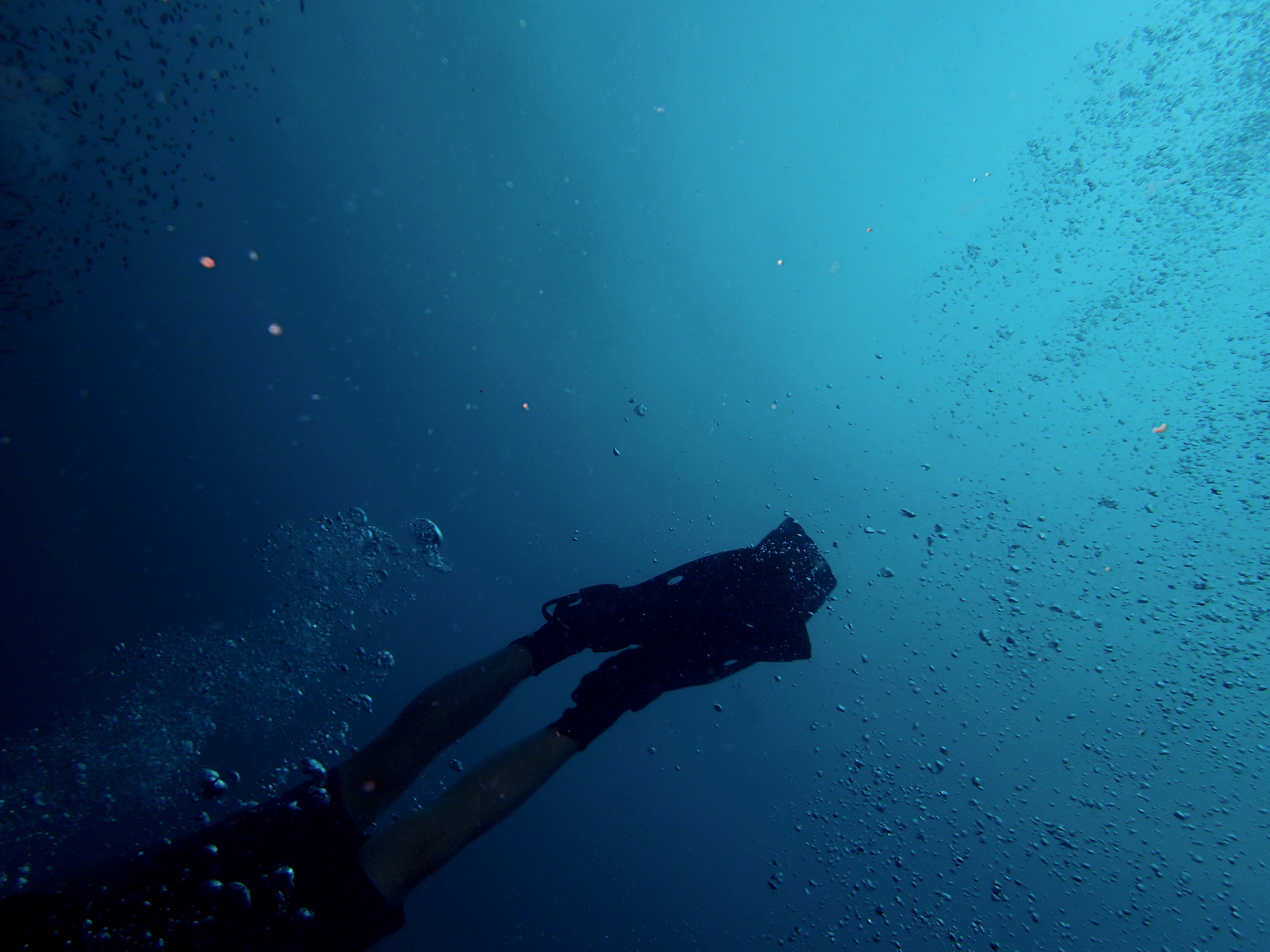
Dive fins play a critical role in your underwater movement and overall diving experience. Selecting the right fins can greatly enhance your comfort, efficiency, and control in the water. Here’s why it’s essential to find the right pair:
- Efficient Movement: The right fins help you move through the water with less effort, allowing you to conserve energy and air, which extends your dive time and reduces fatigue. Proper fin design and fit allow you to glide smoothly, maximizing each kick.
- Comfort and Fit: Fins should fit snugly without pinching or causing discomfort. A good fit helps prevent blisters and cramping, which can be distracting or painful, especially on longer dives.
- Control and Stability: Well-designed fins provide better control and stability, allowing for more precise movements and easier navigation, even in strong currents. This is particularly important for maintaining buoyancy and positioning near delicate marine environments.
- Reduced Strain: Properly sized and balanced fins reduce strain on your legs and ankles. Fins that are too stiff or too heavy can lead to cramping or fatigue, which can be uncomfortable and even risky in certain dive conditions.
- Adaptability to Diving Style: Different types of fins, such as paddle fins or split fins, suit different diving styles and environments. Whether you prefer powerful kicks for swift movement or smaller, precise kicks for fine control, the right fin type can make a big difference.
When choosing fins, consider the type of diving you’ll be doing, the fit and comfort, and the materials. Investing in the right fins can improve your dive experience, allowing you to focus on the underwater world rather than on your gear.
Published: Mon 04 Nov 2024 (Edited: Mon 30 Mar 2026)
